
Branding on Clothing: The Complete Guide for Australian Businesses and Teams
Learn how branding on clothing works, from decoration methods to product selection, with expert tips for Australian businesses and event organisers.

Written by
Ryan Gallagher
Custom Apparel
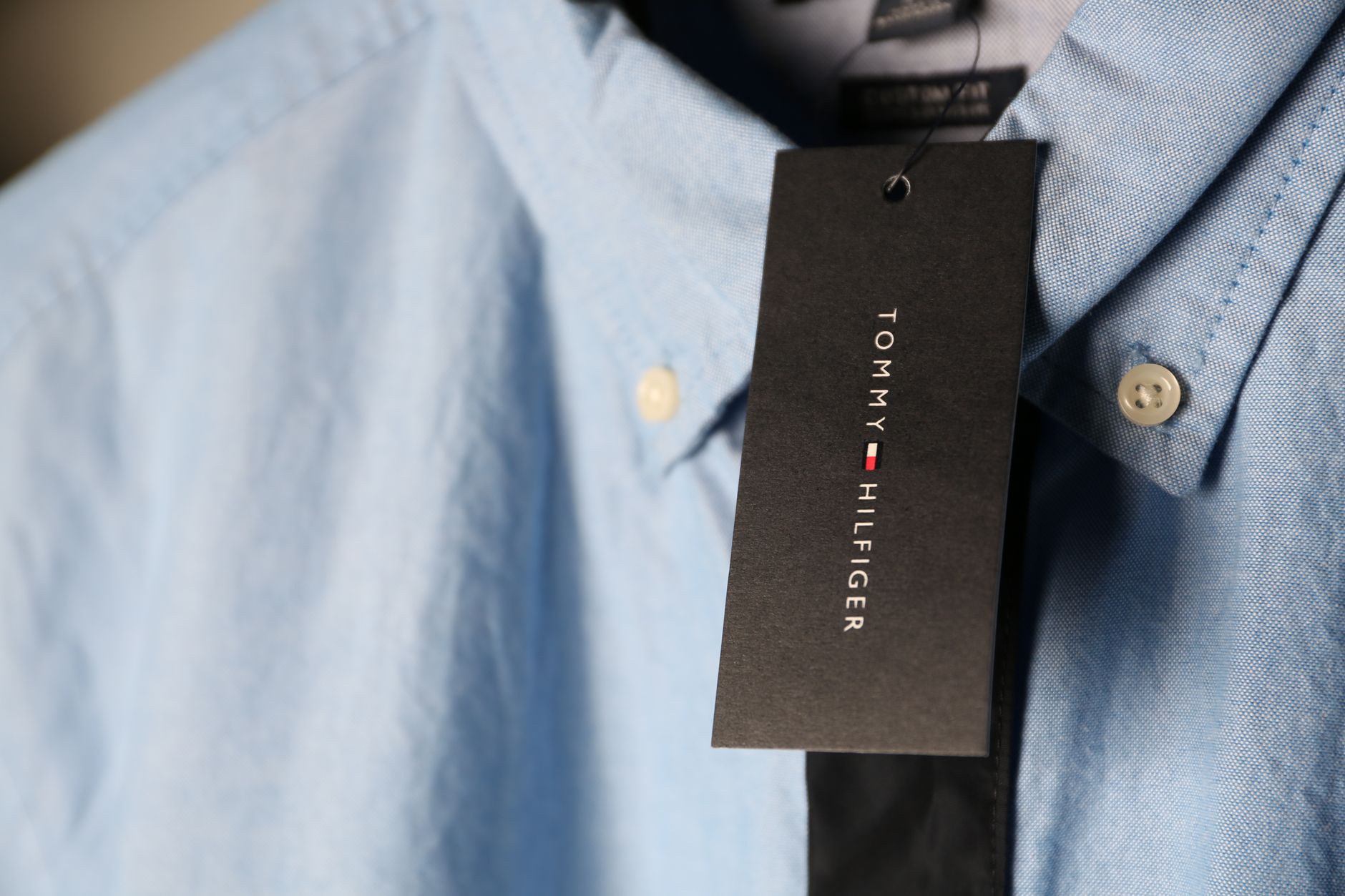
When it comes to building a recognisable brand, few strategies are as powerful — or as visible — as putting your logo on what people wear. Branding on clothing transforms everyday garments into walking advertisements, team-building tools, and professional identity markers all at once. Whether you’re outfitting a corporate team in Sydney, ordering event shirts for a Gold Coast conference, or sourcing branded uniforms for a growing Melbourne business, the decisions you make about how, where, and what you brand can significantly affect both your image and your budget. This guide breaks down everything you need to know.
Why Branding on Clothing Still Delivers Results
In a world saturated with digital advertising, physical branded items continue to punch well above their weight. Clothing in particular offers something that a social media post simply cannot — repeated, passive exposure every time the garment is worn. A well-branded polo shirt worn by a customer service representative in a Brisbane office is seen by colleagues, clients, and strangers daily. Multiply that across a team of 50 people, and you’re looking at serious brand reach without ongoing cost.
Beyond visibility, branded apparel creates a sense of cohesion. Teams that wear coordinated uniforms or branded event shirts tend to feel more connected to the organisation they represent. It signals professionalism, reinforces culture, and makes it genuinely easier to identify your people in a crowd — whether at a trade show, a community event, or on a busy retail floor.
For event organisers in particular, branded clothing is a cornerstone of the experience. Staff shirts, volunteer tees, and participant merchandise all contribute to a polished, memorable event identity. If you’re looking at broader event merchandise strategies, our guide on trade show displays and booth merchandise covers how apparel fits into a cohesive event presence.
Understanding the Most Common Decoration Methods
One of the most important decisions in any branded clothing project is choosing the right decoration method. Each technique has its strengths, limitations, and ideal use cases — and selecting the wrong one can affect the longevity and appearance of your branding.
Screen Printing
Screen printing is the go-to method for bulk orders of t-shirts, singlets, and casual apparel. It works by pushing ink through a stencil onto the fabric, producing vibrant, durable results. The catch is that each colour requires a separate screen, making it most cost-effective when you’re ordering large quantities with limited colours. Typical MOQs for screen printing start at around 20–50 units, though many suppliers prefer 100+ for the best per-unit pricing.
Screen printing is ideal for events, sports clubs, and promotional campaigns where bold, consistent branding across high volumes is the priority. A great example would be a Canberra not-for-profit ordering 500 awareness t-shirts — screen printing would deliver sharp results at a competitive unit cost.
Embroidery
Embroidery involves stitching your logo directly into the fabric using thread, and it’s widely considered the premium option for corporate and professional apparel. It looks polished on polos, jackets, caps, and workwear, and it holds up exceptionally well through repeated washing. It’s particularly well-suited to more complex, multi-tone logos when rendered with quality stitching.
The key consideration is that embroidery works better with simpler, bolder artwork — extremely fine detail can be lost in thread. Setup costs (digitising your logo into a stitch file) are typically a one-off fee, and ongoing per-unit costs are reasonable for medium to large runs. For corporate teams in Adelaide or Perth ordering uniform polos, embroidery consistently delivers a professional result.
Heat Transfer and Vinyl
Heat transfer involves applying a pre-printed design or cut vinyl to fabric using heat and pressure. It’s versatile and works on a wider range of fabric types and garment styles. This method suits smaller runs or personalised items (like names on the back of jerseys) and is a cost-effective option when you need photographic or gradient designs that screen printing can’t easily reproduce.
Sublimation Printing
Sublimation embeds ink directly into the fabric fibres rather than sitting on top of the surface, producing incredibly vibrant, full-colour results that won’t crack or peel. However, it requires specific polyester-based fabrics and typically works best on white or light-coloured garments. Sublimation is the preferred method for performance sportswear, cycling jerseys, and custom-designed uniforms where all-over prints or complex patterns are desired.
Laser Engraving and Debossing
While less common on fabric, laser engraving is occasionally used on leather patches or fabric labels, and debossing appears on premium accessories like leather caps or structured bags. These techniques add a tactile, high-end finish that suits executive gifts or premium branded merchandise — pairing nicely with years-of-service branded gifts for long-term employees when clothing is part of the package.
Choosing the Right Garments for Your Branding Goals
Not all clothing is created equal, and the garment you choose sets the tone for how your branding is perceived. Here’s how to think through your options.
T-Shirts
The classic choice. T-shirts are affordable, universally comfortable, and work equally well for events, staff uniforms, or promotional giveaways. If you’re after custom t-shirts for a Brisbane-based project, our detailed post on top-rated custom t-shirts in Brisbane is worth reading before you place your order.
Polos and Corporate Shirts
Polos strike the balance between casual and professional, making them a staple for retail teams, trade representatives, and customer-facing staff across Australia. They pair well with embroidery and present a clean, consistent brand image. Corporate button-up shirts in branded styles are also popular for office environments and conference appearances.
Hoodies and Jackets
Perfect for cooler climates (hello, Melbourne winters and Hobart evenings), branded hoodies and jackets get worn regularly — especially by staff in outdoor or mixed-environment roles. These garments often have a longer wear life than t-shirts, meaning your brand gets extended exposure over months or even years.
Hi-Vis and Workwear
For businesses operating in construction, warehousing, logistics, or utilities, branded hi-vis workwear serves both a safety and branding function. This is a growing category where compliance with Australian safety standards is just as important as logo placement. Ensure any hi-vis garment meets AS/NZS 4602.1 requirements before ordering.
Caps and Headwear
Often overlooked, branded caps are one of the highest-visibility apparel items you can order. Worn at eye level and often kept for years, a quality embroidered cap keeps your logo in front of people consistently. They’re popular for outdoor events, sports sponsorships, and trade promotions.
Practical Tips for Ordering Branded Apparel
Getting your branding on clothing right involves more than picking a garment and a logo. Here’s what experienced buyers know that first-timers often learn the hard way.
Start With Your Artwork
Your logo file quality directly affects the final result. For embroidery, you’ll need a digitised file. For screen printing or sublimation, vector files (AI, EPS, or high-res PDF) are essential. Avoid supplying low-resolution PNG files sourced from a website — they rarely reproduce well at scale.
Understand Your Timeline
Turnaround times for branded clothing typically range from 5–15 business days once artwork is approved, but complex orders or large runs may take longer. Always factor in proof approval time — never rush this step. For urgent orders, many suppliers offer express turnarounds for a premium.
Budget for Setup Costs
First-time orders often include one-off setup fees for screen creation, digitising, or artwork preparation. These costs vary but are typically absorbed across the run on larger orders. When comparing quotes, always check whether setup fees are included.
Order a Sample First
For large orders, requesting a pre-production sample is highly recommended. Seeing the garment and decoration in person before committing to 500 units can save significant rework costs if something isn’t quite right.
Think About Size Distribution
Corporate orders often underestimate the spread of sizes required across a team. Collect accurate size information from staff before ordering, and build in a small buffer of additional units in the most popular sizes.
For businesses exploring a broader merchandise strategy alongside their apparel, our guides on promotional products for businesses and sustainable promotional products offer useful context for building a well-rounded branded merchandise mix. If sustainability is a priority for your brand, it’s also worth exploring recycled PET corporate gifts in Australia and upcycled branded merchandise as complementary options.
Many organisations are also expanding their merchandise into unexpected categories — from branded wellness items for R U OK? Day workplace initiatives to eco-friendly promotional products for environmentally conscious brands. Clothing often serves as the anchor piece in these broader campaigns, tying the visual identity together across multiple product types.
For businesses keeping an eye on what’s trending in the merchandise space, our post on trends in promotional products is regularly updated with insights relevant to the Australian market in 2026.
Managing Branding on Clothing for Events and Campaigns
Event organisers face unique challenges when ordering branded apparel. Unlike a uniform order where sizing is known and quantities are fixed, event merchandise often involves variables like walk-up sales, diverse audience sizes, and tight delivery windows.
A few strategies that work well in practice: order conservatively for unknown audiences and plan a reorder if stock runs low, rather than over-ordering upfront. Build your proof approval deadline into your event planning timeline as a non-negotiable milestone. And if you’re ordering for multiple roles — say, staff shirts, volunteer tees, and VIP merchandise — clearly differentiate the garments by colour, style, or decoration placement to avoid confusion on the day.
Events also benefit from pairing branded clothing with complementary merchandise. A well-curated event bag, for example, creates a complete branded experience. Explore how other promotional items pair with apparel in our overview of promotional products for businesses.
Conclusion: Key Takeaways for Branding on Clothing
Getting branding on clothing right is both an art and a science — but with the right knowledge, it’s entirely manageable for businesses of any size. Here’s what to keep in mind:
- Choose your decoration method based on garment type, order quantity, and design complexity — screen printing suits large runs of simple designs, while embroidery delivers premium results on corporate apparel.
- Invest in quality artwork files upfront — vector or digitised files will save time, money, and frustration at every stage of the process.
- Match the garment to your brand positioning — a hi-vis workwear brand should look very different from a luxury corporate polo campaign, even if both carry the same logo.
- Build realistic timelines — rushed orders lead to mistakes; allow for proof approval, production, and delivery well ahead of your deadline.
- Think of branded clothing as part of a broader merchandise strategy — when apparel works alongside other promotional products, your brand identity becomes more cohesive and memorable across every touchpoint.
Whether you’re ordering five embroidered polos for a small Perth business or 2,000 screen-printed event tees for a national conference in Sydney, thoughtful planning makes all the difference.