
Branded Delivery Bags for Food Businesses: A Complete Australian Guide
Discover how branded delivery bags for food can boost your business visibility, keep orders fresh, and impress customers across Australia.

Written by
Blake Morrison
Bags & Totes
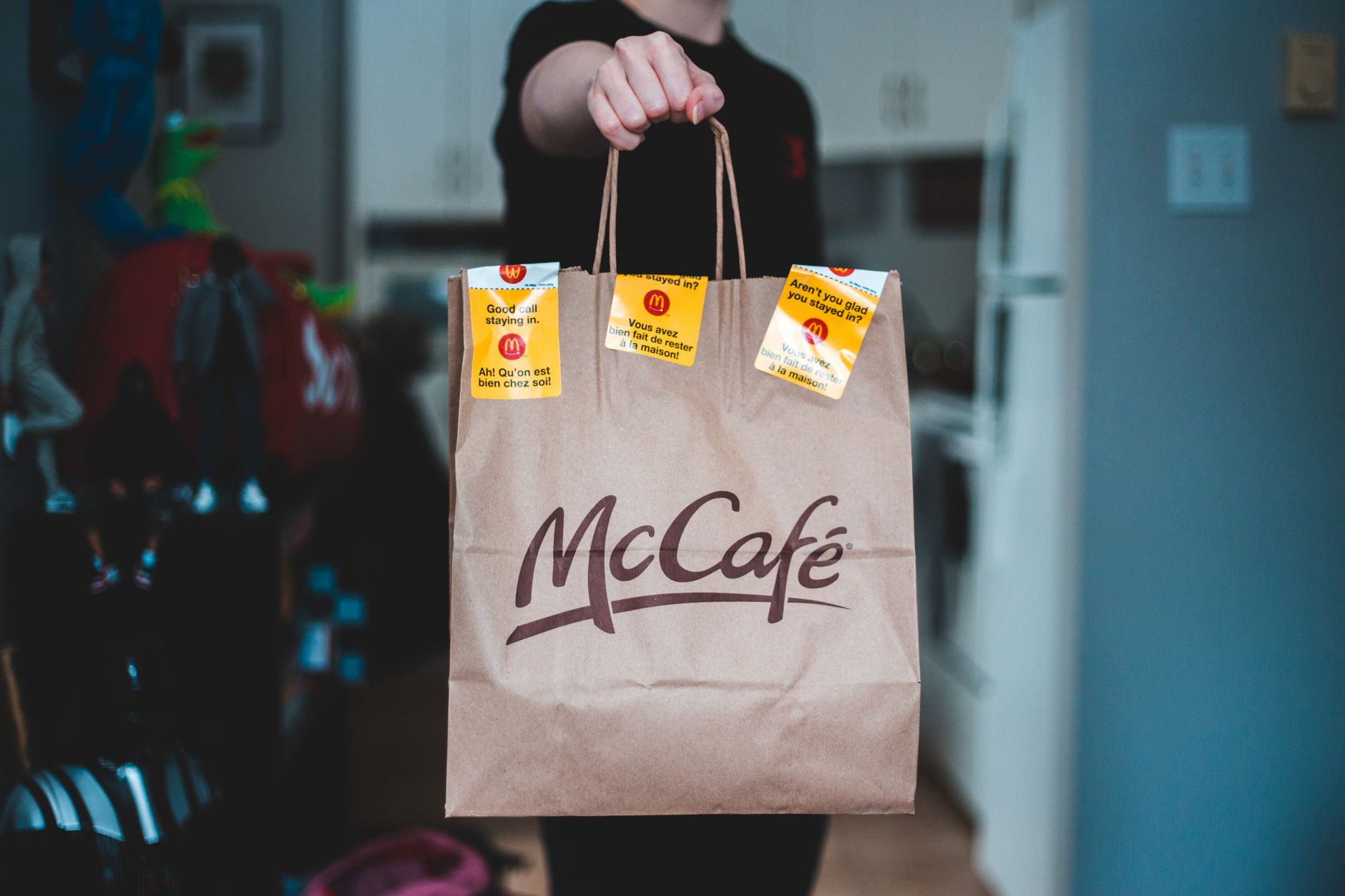
Every time a rider pulls up to a door with a delivery bag in hand, that bag is doing more work than just carrying food. It’s representing your brand, communicating your values, and making a first impression before a single word is exchanged. For food businesses across Australia — from independent cafés in Melbourne’s inner suburbs to multi-location restaurant chains operating out of Sydney and Brisbane — custom branded delivery bags for food have become one of the smartest investments in the marketing toolkit. But choosing the right bag, getting the branding right, and managing the order process isn’t always straightforward. This guide walks you through everything you need to know.
Why Branded Delivery Bags for Food Are Worth the Investment
It’s easy to overlook packaging and delivery accessories when you’re focused on the quality of what’s inside. But consider this: a branded delivery bag is seen by the customer at their door, by their neighbours, by pedestrians on the street, and potentially by hundreds of people on social media if someone posts an unboxing. That’s significant organic visibility for a single product.
For food businesses that rely on delivery platforms or run their own in-house delivery operations, having a professional, branded bag signals that you take presentation seriously. It builds trust. Customers are more likely to reorder from a business that looks polished and put-together — and the delivery experience is part of that overall impression.
Beyond marketing, there’s a practical case to make. Quality insulated delivery bags keep food at the correct temperature, reducing complaints about cold chips, lukewarm burgers, or melted desserts. When your food arrives in good condition, it reflects well on your kitchen — even if the journey took 20 minutes.
The Business Visibility Angle
Think about the cumulative exposure a fleet of ten delivery riders creates as they move through a suburb each evening. Branded bags in consistent colours, carrying your logo and contact details, effectively turn your delivery operation into a moving advertising campaign. This kind of street-level visibility is particularly valuable for local and regional businesses in cities like Adelaide, Perth, and the Gold Coast, where community recognition drives repeat custom.
For growing businesses, branded delivery bags also help signal professionalism when entering new markets or onboarding new wholesale or catering clients. A cohesive, well-branded look across your entire delivery operation communicates that you’re serious and established.
Types of Delivery Bags for Food: Choosing the Right Style
Not all food delivery bags are created equal. The right bag for your operation depends on what you’re delivering, how far, and how often. Here’s a breakdown of the most common categories.
Insulated Thermal Delivery Bags
These are the workhorse of the food delivery world. Insulated bags use thermal lining (often foil or neoprene-style materials) to maintain temperature — hot food stays hot, cold food stays cold. They come in a range of sizes, from small single-meal carriers to large format bags capable of handling catering orders.
For businesses delivering hot meals, insulated bags are essentially non-negotiable. The typical MOQ (minimum order quantity) for custom branded insulated bags sits around 50–100 units, making them accessible for independent restaurants and smaller chains alike. If you’re ordering in bulk for a larger operation, pricing per unit drops significantly at 250+ units.
Cooler Bags for Perishables and Cold Delivery
Businesses delivering meal kits, fresh produce, deli products, or cold beverages need proper cooler bag solutions. These bags often feature heavier insulation and are designed to be used with ice packs. Custom branded cooler bags work well for meal kit delivery services, butchers, fishmongers, and specialty food retailers.
Interestingly, cooler bags also work brilliantly as promotional products for businesses in the food and hospitality sector — gifted to loyal customers, used at trade shows and expos, or included in welcome packs for corporate catering clients.
Backpack-Style Delivery Bags
Made popular by third-party delivery platforms, the backpack format is ideal for bike couriers and pedestrian delivery riders in dense urban areas like Sydney’s CBD or Melbourne’s Fitzroy. They distribute weight evenly, are ergonomically comfortable for long shifts, and offer excellent visibility on the rider’s back.
Custom branding on backpack delivery bags is typically achieved through embroidery, screen printing, or sublimation — each method producing a different look and feel. For a full breakdown of decoration options, our guide on current trends in promotional products covers how different printing methods are shaping modern branded merchandise.
Flat-Pack Reusable Carry Bags
For businesses like bakeries, delis, or takeaway shops where customers collect their own orders but you want to provide a branded carrier, flat-pack reusable bags offer a smart solution. They’re more sustainable than single-use plastic bags, they reinforce your brand every time a customer reuses them, and they can be printed in bold colours to maximise street visibility.
If sustainability is a priority for your brand — and it increasingly is for Australian consumers — you might also want to explore sustainable promotional products and eco-friendly merchandise options that align with your delivery packaging choices.
Getting Your Branding Right on Food Delivery Bags
Once you’ve settled on the right bag style, the next challenge is getting the branding to look sharp and last the distance. Delivery bags are workhorses — they get used daily, thrown in the back of cars, stuffed with food containers, and washed regularly. Your branding needs to hold up.
Decoration Methods That Work Best
Screen printing is one of the most cost-effective methods for large flat surfaces on delivery bags. It produces vibrant, durable results and is ideal for bold, simple logos or wordmarks. It works best with solid colours rather than photographic or gradient imagery.
Embroidery is a premium option that adds texture and a quality feel. It’s particularly effective on bags made from heavier materials like canvas or nylon, and it holds up exceptionally well through repeated use and washing. The trade-off is a slightly higher cost per unit compared to print methods.
Sublimation printing allows for full-colour, all-over designs that look striking and are embedded into the fabric rather than sitting on top of it. This is ideal if your brand uses complex visuals or if you want a design that covers the entire bag surface.
Artwork and Colour Matching
When submitting artwork for custom branded bags, you’ll typically need vector files (AI, EPS, or high-resolution PDF). PMS (Pantone Matching System) colour codes are important if brand consistency across merchandise is critical — this ensures your logo appears in exactly the right shade whether it’s on a delivery bag, a personalised travel mug, or a branded umbrella for corporate use.
Always request a physical sample or digital proof before approving a full production run. A small investment in a pre-production sample can save costly mistakes on a large order.
Practical Ordering Considerations for Australian Businesses
Minimum Order Quantities and Lead Times
Most suppliers in Australia have MOQs of around 50–100 units for custom branded food delivery bags. If you’re a small café or a new delivery operation just starting out, this is a manageable entry point. For large franchises or businesses with multiple locations across Queensland, New South Wales, or Victoria, bulk orders of 500+ units typically attract significant per-unit price reductions.
Standard production and delivery turnaround in Australia is typically 2–4 weeks after artwork approval, though express options are often available for urgent requirements. Factor this into your planning, particularly if you’re launching a new brand identity or ramping up before a busy trading period.
Budget Considerations
Pricing varies widely depending on bag size, material, insulation quality, decoration method, and order volume. As a rough guide, branded insulated delivery bags in the mid-range start from approximately $15–$30 per unit at moderate quantities, with premium options sitting higher. Cooler bags and backpack-style bags may cost more due to construction complexity.
It’s worth building branded delivery bags into your overall marketing budget rather than treating them purely as an operational cost. The dual function — practical delivery tool and marketing asset — justifies the spend.
Caring for Your Investment
Brief your team on how to look after branded bags. Simple protocols like wiping down bags after each use, not overstuffing them, and storing them correctly will extend their lifespan considerably. This is especially relevant for insulated bags, where the thermal lining can degrade if repeatedly exposed to extreme heat or rough treatment.
Beyond Delivery: Other Uses for Branded Food Bags
Branded bags designed for food delivery have uses beyond the obvious. Consider how they might serve you across other touchpoints:
- Catering and event orders — A branded bag accompanying a catering delivery makes an excellent impression on corporate clients and event organisers.
- Hamper and gift packaging — Reusable branded bags make elegant containers for food gift hampers, particularly around Christmas or for corporate gifting initiatives.
- Market and pop-up stalls — If your business participates in farmers’ markets or food festivals, branded bags reinforce your identity and get your name circulating through the crowd.
- Staff meal prep — Some food businesses provide branded insulated bags to staff, which again acts as a mobile billboard outside of work hours.
For businesses thinking creatively about how branded merchandise can work across multiple contexts, it’s worth exploring broader promotional product strategies to see how individual items fit into a cohesive brand ecosystem. You might also find inspiration in how other product categories like recycled PET corporate gifts and upcycled branded merchandise are being used to reinforce brand values.
Conclusion: Key Takeaways for Ordering Branded Delivery Bags for Food
Investing in quality branded delivery bags for food is a smart move for any Australian food business looking to strengthen its brand presence while improving the practical delivery experience. Here’s a summary of the most important points to keep in mind:
- Choose the right bag type for your operation — insulated thermal bags, cooler bags, backpack-style bags, and reusable carry bags each serve different needs, so match the product to your delivery model.
- Prioritise durable decoration methods — screen printing, embroidery, and sublimation each offer different advantages; the right choice depends on your bag material, design complexity, and how the bags will be used day-to-day.
- Plan for lead times and MOQs — most Australian suppliers require 50–100 units minimum and 2–4 weeks production time, so build this into your operational planning.
- Think of your bags as marketing assets, not just operational tools — the visibility they generate on the street and at the point of delivery is genuine advertising reach that’s hard to replicate with other spend.
- Explore sustainable materials where possible — eco-conscious customers notice when businesses make responsible choices, and there are excellent sustainable product options that perform as well as conventional materials.
Done right, a well-branded delivery bag doesn’t just carry food — it carries your brand story all the way to the customer’s door.