
Beyond the Local Printing Shop: How to Find the Best Branded Merchandise for Your Business
Looking for a printing shop close to you? Discover smarter ways to source quality branded merchandise across Australia in 2026.

Written by
Amelia Russo
Buying Guides & Tips
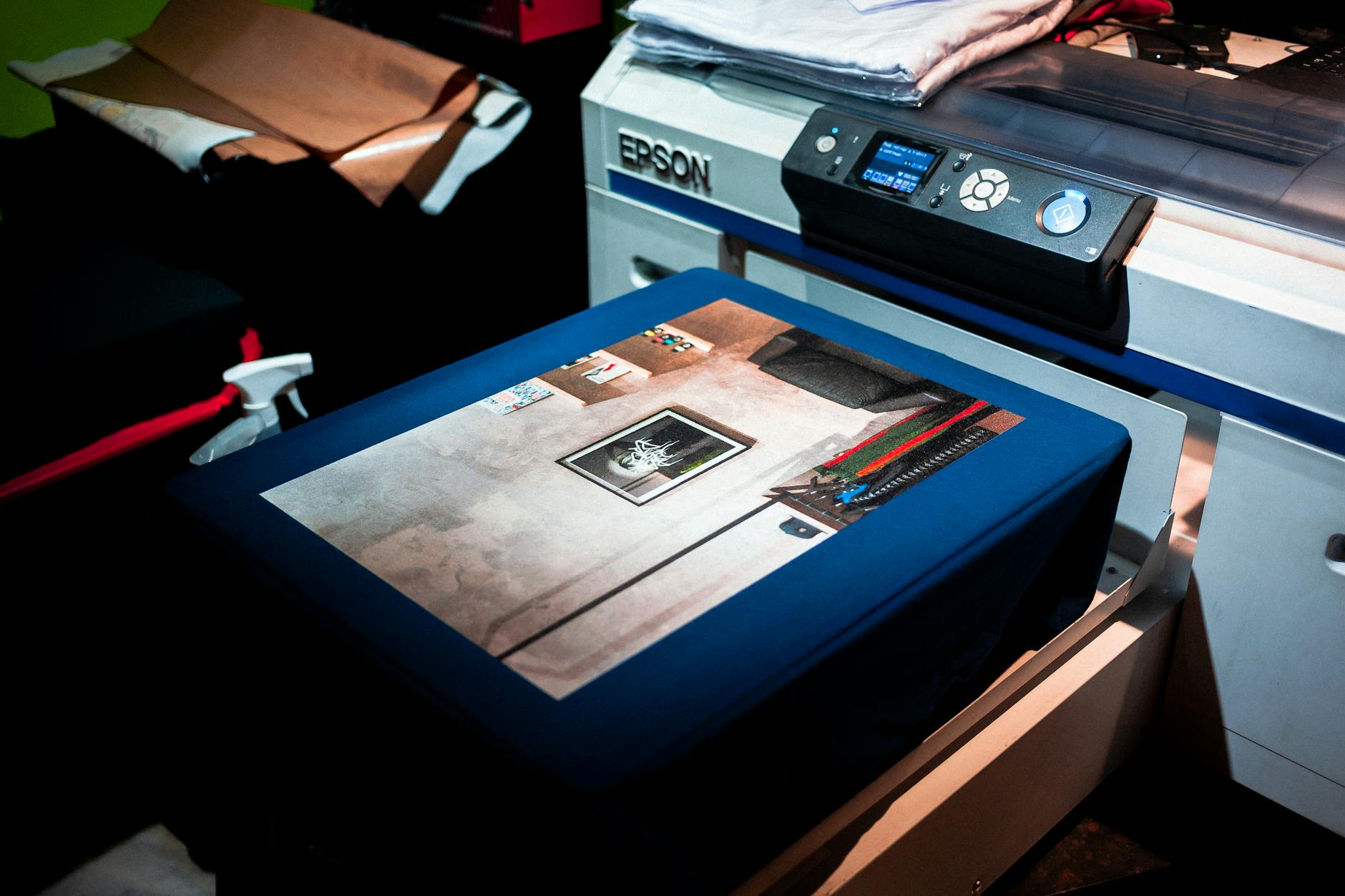
Searching for a “printing shop close to me” is one of the most common first steps businesses and event organisers take when they need branded merchandise. It makes sense — you want convenience, quick turnaround, and someone you can actually talk to. But what if the best solution for your branded products isn’t necessarily the print shop around the corner? In 2026, Australian businesses have access to a broader, more capable ecosystem of print and merchandise suppliers than ever before. Whether you’re in Brisbane, Perth, or a regional town in South Australia, knowing how to navigate that landscape can save you money, improve quality, and help you get exactly what you need. This guide walks you through everything: when local really does matter, when it doesn’t, and how to make smart decisions for your branded merchandise projects.
Why People Search for a Printing Shop Close to Me
The impulse to search locally is completely understandable. When you’re under deadline pressure or need to physically inspect product samples before signing off on a large order, proximity has obvious appeal. A corporate team in Melbourne organising a staff onboarding kit, or an event organiser in Sydney preparing for a conference next week, might genuinely benefit from working with someone local.
There are real advantages to local suppliers:
- Face-to-face communication — You can walk in, show your artwork, and have a real conversation about your needs.
- Quick sample turnaround — Local suppliers can sometimes hand you a sample or proof the same day.
- Faster pickup — If your event is tomorrow, local pickup beats courier delivery every time.
- Relationship building — Regular local orders can build strong supplier relationships over time.
That said, many businesses assume local is always better — and that assumption can cost them. The range of products, decoration methods, and pricing structures available through specialist branded merchandise suppliers often far exceeds what your nearby print shop can offer.
What Most Local Print Shops Actually Offer (And What They Don’t)
Your typical suburban print shop — whether it’s in Parramatta, Geelong, or Townsville — usually handles print-on-paper products really well. Think business cards, flyers, brochures, pull-up banners, and posters. Some also offer basic garment decoration like screen printing on t-shirts or embroidery on polos. That’s genuinely useful for certain projects.
But branded merchandise is a much broader category. If you’re a business looking for promotional products for your organisation, you might need:
- Custom branded drinkware (keep cups, water bottles, tumblers)
- Eco-friendly merchandise like recycled PET corporate gifts
- Staff recognition items, including years of service branded gifts for long-term employees
- Workplace wellbeing merchandise for campaigns like R U OK? Day branded products
- Niche or novelty items like promotional windscreen sunshades for car wash businesses or branded seatbelt pads for child safety promotions
A standard local print shop is unlikely to stock or source many of these categories. Specialist branded merchandise suppliers — whether located near you or operating nationally — are far better positioned to help.
Understanding Decoration Methods Before You Order
One reason to go beyond the nearest printing shop is access to a wider range of decoration techniques. The method used to apply your logo or design has a significant impact on the final product’s quality, durability, and cost. Here’s a quick overview of the most common methods:
Screen Printing
Best for: T-shirts, tote bags, and flat fabric items with bold, simple designs. Cost-effective for larger runs (typically 50+ units), with vivid colour results. Minimum order quantities (MOQs) are usually 25–50 pieces.
Embroidery
Best for: Polo shirts, caps, hoodies, and corporate workwear. Produces a premium, professional finish. Well suited to logos with clean lines and limited colours. Most suppliers require a minimum of 12–24 pieces.
Laser Engraving
Best for: Metal drinkware, leather notebooks, bamboo items, USB drives, and awards. Creates a permanent, high-end mark with no added ink. Very popular for sustainable promotional products that use natural materials.
Pad Printing
Best for: Pens, keyrings, small plastic or rubber items. Cost-effective for small product surfaces. Standard for bulk stationery orders.
Sublimation
Best for: Full-colour, all-over designs on polyester garments, mugs, and ceramic items. Excellent for vibrant, photographic prints. Not suitable for cotton fabrics.
Knowing which method is right for your product helps you evaluate whether a given supplier — local or otherwise — can actually deliver what you need.
When Location Matters Most: Use Cases for Local Printing
Not every branded merchandise project requires you to go beyond a local provider. Here are scenarios where proximity genuinely adds value:
Last-minute event signage: If you’re setting up a trade show booth or display and a pull-up banner needs reprinting the night before, a local large-format printer can be a lifesaver.
Small, urgent print runs: A Canberra-based not-for-profit that needs 20 A5 flyers for an event tomorrow doesn’t need a national fulfilment centre. A local printer does the job.
In-person proofing: Some orders — particularly complex ones involving PMS colour matching or branded apparel with multiple print locations — genuinely benefit from a face-to-face proofing session.
Regional and remote businesses: For businesses in Darwin, Hobart, or regional Western Australia, local relationships can mean more reliable turnaround times without the uncertainty of interstate courier logistics.
When to Think Beyond Your Local Print Shop
For most branded merchandise projects, the better approach is to work with a specialist supplier — regardless of location. Here’s why:
Product range: Specialist suppliers carry thousands of product lines across dozens of categories, from branded umbrellas in bulk to promotional plant pots for housewarming campaigns and branded essential oils for healthcare providers.
Better pricing on volume: National suppliers typically offer tiered pricing that rewards bulk ordering, with meaningful discounts at quantities of 50, 100, 250, and 500+ units.
Decoration expertise: For category-specific products, specialist suppliers understand exactly which decoration method suits each item — saving you from costly mistakes.
Eco-friendly options: If sustainability is a priority for your brand, specialists in sustainable promotional products for environmentally conscious brands will have far more appropriate options than a general print shop.
Custom seasonal campaigns: A national supplier can help you plan ahead for summer promotions (think branded garden tools for summer campaigns) with lead times that allow for proper production runs.
Budgeting for a Branded Merchandise Order in 2026
Whether you’re ordering locally or nationally, understanding typical costs helps you plan effectively. Here are some realistic benchmarks for Australian businesses in 2026:
- Custom t-shirts (screen printed): $8–$20 per unit depending on garment quality and quantity. Custom t-shirts in Brisbane and other major cities tend to have competitive pricing at volume.
- Branded pens (pad printed): $0.80–$2.50 per unit at 250+.
- Keep cups or insulated tumblers (laser engraved): $12–$35 per unit depending on material and branding complexity.
- Tote bags (screen printed): $4–$12 per unit at 100+.
- Embroidered caps: $10–$25 per unit at 50+.
Setup or origination fees are common with many decoration methods — typically $30–$80 per colour or position for screen printing, and $50–$120 for embroidery digitisation. These are one-off costs, so they become proportionally less significant on larger orders.
Artwork Requirements: Getting It Right First Time
One area where many first-time buyers trip up — whether ordering locally or remotely — is artwork submission. Most suppliers require vector files (AI, EPS, or high-resolution PDF) for clean reproduction, especially for screen printing, embroidery, and pad printing.
Here’s a quick checklist:
- Vector format: Use AI or EPS files wherever possible. JPEG and PNG images are generally not suitable unless they’re very high resolution (300 dpi minimum).
- Fonts outlined: Convert all text to outlines to avoid font substitution issues.
- Colour specification: Provide PMS (Pantone) colour codes if brand colour accuracy is critical.
- Separate layers: Some decoration methods require separate files for each colour layer.
- Bleed and safe zones: For printed apparel and signage, ensure your artwork accounts for bleed requirements.
If your artwork isn’t ready, many suppliers offer basic artwork services for a small fee. It’s worth investing in this upfront rather than going to print with substandard files.
How to Evaluate Any Supplier — Local or National
When you’re assessing a printing or merchandise supplier, here are the key questions to ask:
- What’s the MOQ for this product? Some items require 50, others just 12.
- What’s the turnaround time from proof approval? Standard is 7–15 business days; rush options vary.
- Do you provide a digital proof before production? Always insist on this.
- What are the setup/origination fees? Factor these into your per-unit cost.
- Do you offer samples before a full run? Especially important for new products.
- What sustainability options do you offer? Relevant if you’re mindful of your brand’s environmental footprint.
Checking reviews, asking for past client references, and reviewing samples are all standard practice — and apply equally to local and national suppliers.
Conclusion: Key Takeaways
The instinct to find a printing shop close to you is a reasonable starting point, but it’s worth expanding your thinking before committing to a supplier. The right partner for your branded merchandise project is the one who can deliver the right product, at the right quality, within your timeline and budget — regardless of where they’re located.
Here are the key things to remember:
- Local print shops are great for urgent, paper-based print jobs — but often fall short for branded merchandise with complex decoration or niche product categories.
- Specialist merchandise suppliers offer broader product ranges, better volume pricing, and more decoration options — whether they’re around the corner or servicing you from another state.
- Knowing your decoration method, artwork requirements, and MOQs upfront saves time and prevents costly mistakes.
- Sustainability, product category, and branding goals should all influence your supplier choice — not just proximity.
- Always request a digital proof before production begins, and factor in setup fees when comparing quotes.
Whether you’re a corporate team in Adelaide, an event organiser on the Gold Coast, or a small business in regional Queensland, the best branded merchandise outcome comes from choosing the right supplier — not just the nearest one.