
Promotional Keyrings for Hotel Room Amenities: The Complete Australian Guide
Discover how Australian hotels use promotional keyrings as room amenities to boost brand recall, guest experience, and loyalty. Expert tips inside.

Written by
Luke Paterson
Safety & Workwear
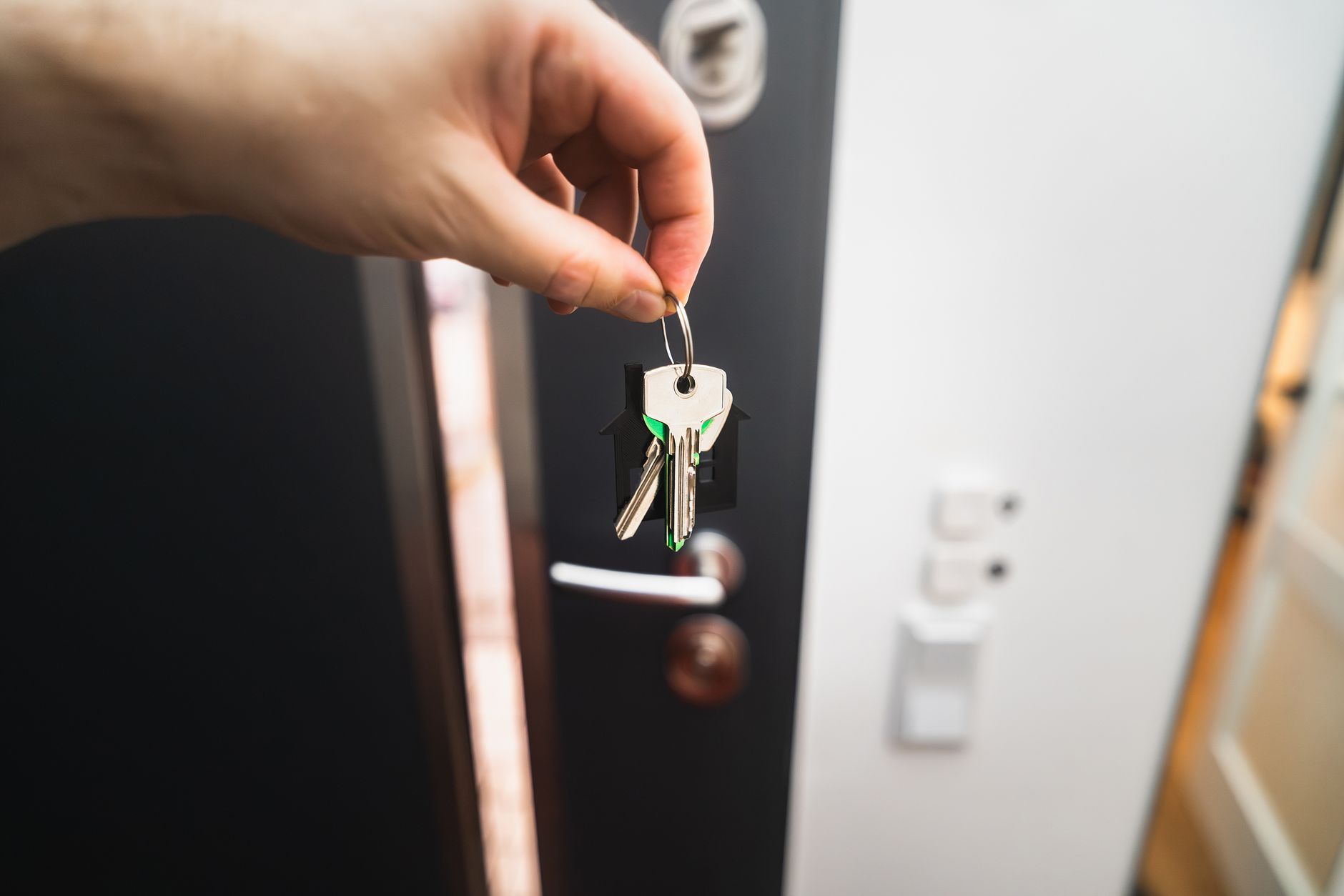
Every guest who checks into your hotel carries something with them when they leave — and more often than not, it’s the keyring from their room. Promotional keyrings for hotel room amenities in Australia represent one of the most cost-effective, high-impact branded merchandise strategies available to the hospitality industry. Unlike a complimentary shampoo bottle or a disposable amenity pack, a well-designed branded keyring travels far beyond the checkout desk. It finds its way onto a guest’s key chain, into their handbag, and through their daily routine — quietly working as a mobile advertisement for your property long after their stay. Whether you’re managing a boutique hotel in Melbourne’s CBD, a resort on the Gold Coast, or a motel chain across regional Queensland, this guide will walk you through everything you need to know about sourcing, designing, and distributing promotional keyrings as part of your hotel amenity strategy.
Why Hotels Are Turning to Branded Keyrings as Room Amenities
The hospitality industry has always understood the value of the guest experience. But in 2026, the conversation has shifted beyond thread count and breakfast options. Guests now expect memorable, tangible touchpoints — and branded merchandise is increasingly filling that role.
Promotional keyrings sit at a unique intersection of functionality and brand storytelling. They’re small enough to be cost-effective at volume, practical enough to be genuinely used, and customisable enough to reflect a hotel’s personality and brand aesthetic. A luxury lodge in the Barossa Valley might opt for a premium leather keyring with debossed branding. A beachside hostel in Cairns might choose a fun, colourful acrylic fob with a UV-resistant print. The format adapts to the brand — and that flexibility is exactly what makes keyrings such a smart amenity choice.
There’s also a strategic marketing dimension to consider. According to broader promotional products research, branded items that serve a daily function generate significantly more impressions over time than single-use giveaways. A keyring used every day for twelve months is delivering thousands of brand impressions at a fraction of the cost of digital advertising. For hotels investing in long-term guest loyalty and word-of-mouth referrals, that kind of passive brand presence has real dollar value.
If you’re exploring how to align this approach with broader merchandise trends, it’s worth reading about the latest trends in promotional products to understand where guest gifting is heading across the hospitality sector.
Types of Promotional Keyrings Suited to Hotel Use
Not all keyrings are created equal, and the right choice for your property will depend on your brand positioning, guest demographic, and budget per room. Here’s a breakdown of the most popular formats used by Australian hotels and accommodation providers.
Metal Keyrings
Metal keyrings — whether stainless steel, zinc alloy, or aluminium — are the most popular format for mid-to-upscale hotel properties. They communicate quality, durability, and longevity. Decoration options include laser engraving, pad printing, and epoxy dome stickers. A Sydney boutique hotel, for instance, might choose a brushed silver metal fob with laser-engraved logo for a polished, premium feel that complements a high-end guest experience.
Leather and Faux-Leather Keyrings
For luxury properties and corporate travel hotels, leather keyrings offer a tactile premium that guests genuinely appreciate. Debossing is the preferred decoration method here — it creates a subtle, sophisticated brand impression without adding visual clutter. These are particularly popular among five-star properties in Perth, Adelaide, and Melbourne’s inner suburbs catering to business travellers.
Acrylic and Plastic Keyrings
Acrylic keyrings are the workhorse of budget-conscious accommodation providers — hostels, roadside motels, and seasonal tourist accommodation. They offer vibrant full-colour printing options, including digital and sublimation methods, and can be produced in custom shapes (think a surfboard for a Byron Bay surf school, or a map outline for a heritage listed property). Minimum order quantities for acrylic keyrings typically start around 50–100 units, making them accessible for smaller accommodation businesses.
Bottle Opener Keyrings
Multifunctional keyrings that incorporate a bottle opener are a perennial favourite in the hospitality space — and for good reason. Guests associate bottle openers with leisure, celebration, and the good times they had during their stay. They’re also functional enough to be kept long-term. These work exceptionally well for holiday resorts, pub accommodation, and tourism operators.
Eco-Friendly Keyrings
Bamboo, recycled PET, and cork keyrings are increasingly requested by hotels with sustainability commitments. If your property has eco-certifications or a green brand identity, choosing a sustainable keyring format sends a consistent message to environmentally conscious guests. For inspiration on broader sustainable merchandise strategies, browse our guide to sustainable promotional products.
Decoration Methods: Getting Your Logo Right on a Small Surface
Decorating a keyring well requires an understanding of scale. Your logo that looks perfect on a billboard or a polo shirt needs to be adapted carefully for a surface that might only be 5–6 centimetres across.
Laser engraving is ideal for metal and bamboo keyrings — it produces a clean, permanent mark that won’t fade or peel. Pad printing works well for flat plastic and metal surfaces, delivering solid spot colours (ideal for logos with PMS colour matching requirements). Epoxy dome stickers allow full-colour photographic printing under a protective resin layer, great for properties with complex, colourful brand marks. Debossing is reserved for leather formats and creates a tactile, premium impression.
For hotels with artwork files ready to go, most Australian suppliers will require vector artwork (AI or EPS format) for the best results. If you’re uncertain about your artwork specifications, it’s worth consulting with a local printing shop before placing a large order.
Advances in decoration technology have made it easier than ever to achieve high-quality results at lower minimum order quantities. To understand how these changes affect your buying options, read about print technology advancements for promotional merchandise.
Ordering in Bulk: MOQs, Turnaround Times, and Budget Considerations
For hotel groups and accommodation chains, bulk ordering is where the economics become genuinely compelling. Here’s what to expect when sourcing promotional keyrings for hotel room amenities in Australia.
Minimum Order Quantities
MOQs vary significantly by product type and supplier. As a general guide:
- Plastic/acrylic keyrings: 50–100 units
- Metal keyrings: 100–250 units
- Leather keyrings: 50–100 units
- Eco-friendly bamboo keyrings: 100–250 units
For large hotel chains ordering across multiple properties — say, a national group with 20 hotels across Brisbane, Canberra, Darwin, and Hobart — consolidated orders of 2,000+ units will unlock significant price breaks per unit.
Budget Per Unit
At volume, promotional keyrings are remarkably affordable. Plastic keyrings can be sourced from as low as $0.80–$2.00 per unit. Mid-range metal options typically sit between $2.50–$5.00 per unit. Premium leather or engraved metal keyrings for luxury properties might range from $5.00–$12.00 per unit. Setup fees (for artwork and screen/print setup) are generally a one-off cost, usually between $50–$150 per colour or decoration position.
Turnaround Times
Standard production turnarounds for keyrings in Australia sit between 10–15 business days after artwork approval. If you’re ordering for a hotel opening, a conference event, or a seasonal promotion, factor in additional lead time for proof approval, potential artwork revisions, and freight delivery. Rush production is often available for an additional fee.
Pairing Keyrings with Other Hotel Amenity Merchandise
Keyrings work particularly well as part of a curated amenity bundle. Rather than presenting a single item, forward-thinking hotels are packaging branded keyrings alongside complementary products to create a memorable unboxing moment.
Consider pairing a keyring with:
- A branded water bottle — particularly relevant for health-conscious travellers (see our guide to personalised water bottles in Australia)
- A branded tote bag — lightweight and reusable, great for carrying beach or conference essentials (explore personalised tote bags)
- A portable charger — a premium add-on for business travellers (portable chargers are among the most retained branded items)
- A branded notebook or pen — classic stationery items that sit naturally alongside a check-in experience
For hotels targeting repeat corporate guests, reading about personalisation trends in the corporate gift industry will give you ideas on how to elevate standard amenity products into genuinely memorable guest experiences.
If you’re exploring even broader amenity product options, it’s also worth looking at how other sectors approach promotional gifting — for example, promotional plant pots for housewarming gift promotions offer interesting inspiration for nature-themed or eco-resort properties.
Distribution Strategies: When and How to Present Keyrings to Guests
Timing and presentation matter enormously. A keyring dropped loose at the bottom of a welcome bag has far less impact than one presented intentionally.
At check-in: Presenting a branded keyring at the front desk — attached to the physical room key card holder — creates an immediate, functional connection. The guest uses it straight away, and the branding becomes part of their daily experience.
As a departure gift: Some boutique hotels prefer to present keyrings as a farewell gesture, tucked into a thank-you note envelope at checkout. This creates a warm last impression and encourages guests to share their experience on social media.
As part of a loyalty programme: Tiered keyrings — different finishes or materials for different loyalty levels — can reinforce a guest rewards programme in a tangible, visible way.
For hotels that regularly exhibit at travel and hospitality trade shows, keyrings are also excellent handouts at trade show displays and booths. They’re easy to pack, light to transport, and universally appreciated by industry contacts.
Conclusion: Key Takeaways for Australian Hotel Operators
Promotional keyrings for hotel room amenities in Australia are far more than a throwaway trinket. When chosen thoughtfully and presented well, they become enduring brand ambassadors that travel with your guests long after checkout. Here are the key points to take with you:
- Match the keyring format to your brand positioning — leather and metal for luxury properties, acrylic or bamboo for budget-conscious or eco-focused accommodation.
- Get your artwork right from the start — work with vector files and understand how your logo scales to a small decoration surface before placing a bulk order.
- Order at volume to reduce unit cost — larger hotels and accommodation groups can achieve excellent economies of scale, particularly above 500–1,000 units.
- Bundle keyrings with complementary amenity products — water bottles, tote bags, and chargers create a cohesive guest experience and maximise brand exposure across multiple touchpoints.
- Consider the moment of presentation — whether at check-in, departure, or as part of a loyalty programme, intentional gifting creates stronger brand recall than passive placement.
Investing in the right promotional product strategy for your hotel isn’t just about generosity — it’s about smart, sustained brand building. And in the competitive Australian accommodation market, that’s a competitive advantage worth having.