
Sustainable Promotional Products: The Complete Guide for Australian Businesses
Discover how to choose sustainable promotional products that align with your brand values, impress recipients, and reduce environmental impact.

Written by
Tessa Nordberg
Eco & Sustainable Products
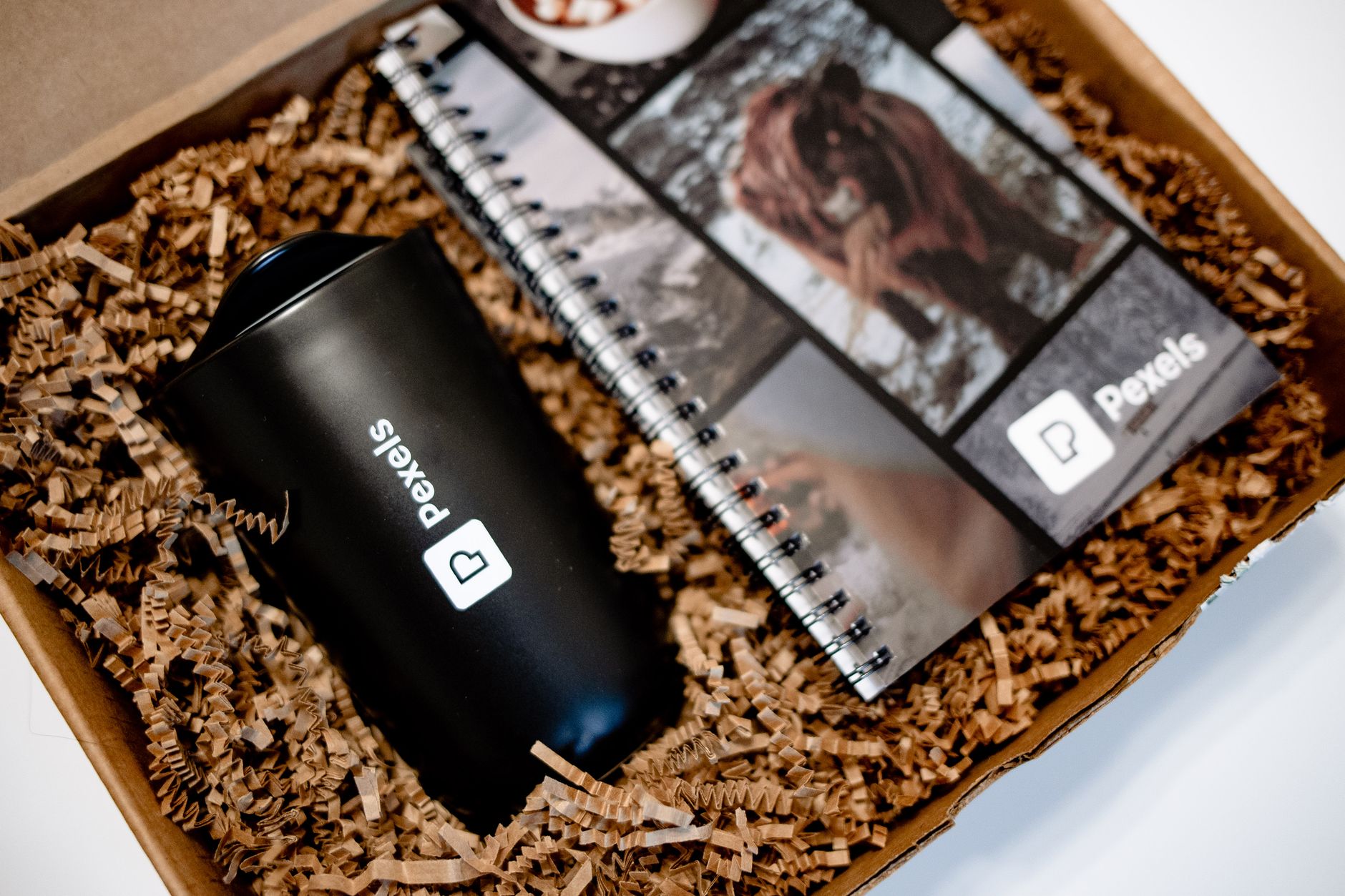
Choosing promotional products used to be straightforward — pick something cheap, slap a logo on it, and hand it out. But Australian businesses, corporate teams, and event organisers are increasingly asking a different set of questions: Where was this made? What happens to it when it’s thrown away? Does this actually reflect who we are as an organisation? Sustainable promotional products have moved from a niche consideration to a mainstream expectation, and understanding how to navigate this space can make the difference between merch that resonates and merch that ends up in landfill within a week.
Why Sustainable Promotional Products Matter More Than Ever
The shift toward sustainability in the promotional products industry isn’t just a trend — it reflects a genuine change in how businesses and their audiences relate to branded merchandise. According to research across multiple Australian sectors, recipients are far more likely to keep and use a product that feels thoughtful, durable, and responsibly made. And when they keep it, your brand gets more impressions, more longevity, and a stronger message.
For corporate teams in Sydney and Melbourne, sustainability credentials are increasingly tied to procurement policies and ESG (Environmental, Social, and Governance) commitments. Government departments in Canberra and councils across Queensland are under community pressure to reduce waste in their operations, including the merchandise they order for events and campaigns. And for event organisers in Brisbane or Perth, the merchandise bag or giveaway item is often the most tangible thing attendees take home — it’s a direct representation of your organisation’s values.
There’s also a practical financial argument. Sustainable products tend to be made to a higher quality standard, which means recipients use them longer. A bamboo travel mug used daily for two years generates thousands of brand impressions. A flimsy plastic item tossed after one use generates none — and costs the planet in the process.
If you’re exploring promotional products for businesses more broadly, sustainability should be one of the first filters you apply, not an afterthought.
What Actually Makes a Promotional Product Sustainable?
This is where things get nuanced. “Eco-friendly” and “sustainable” are terms that get thrown around loosely, so it’s worth understanding what to actually look for when evaluating products.
Materials Matter Most
The most impactful factor is the material the product is made from. Look for:
- Recycled materials — Products made from post-consumer recycled plastic (like rPET bottles or recycled tote bags), recycled cotton, or reclaimed materials divert waste from landfill and reduce demand for virgin resources.
- Natural and renewable materials — Bamboo, cork, jute, and organic cotton are popular choices because they’re biodegradable or renewable. Bamboo in particular has become a staple in the sustainable merch space, used across notebooks, pens, drinkware, and even tech accessories.
- Biodegradable options — Some products are designed to break down naturally at end of life, which is particularly relevant for items like bags, packaging, and stationery.
Longevity and Usefulness
A sustainable product isn’t just one made from eco-friendly materials — it’s one the recipient will actually use. Useful, high-quality items that people hold onto for months or years are inherently more sustainable than cheap novelty items that break or get discarded quickly. This is why a well-made personalised water bottle or a robust personalised tote bag tends to be a better choice than, say, a single-use plastic item with minimal utility.
Responsible Production
Where and how a product is manufactured also matters. Products made closer to home, or by certified ethical manufacturers, have lower transport emissions and better labour standards. Look for certifications like OEKO-TEX (for textiles), FSC (for paper and wood products), or ISO 14001 (environmental management).
Decoration Method Considerations
The way your logo is applied also plays a role. Water-based inks for screen printing, laser engraving (which uses no inks at all), and digital embroidery are among the lower-impact decoration methods. Recent advancements in print technology for promotional merchandise have also made it easier to achieve high-quality results with more environmentally responsible processes.
The Best Sustainable Promotional Products for Australian Organisations
With the basics understood, let’s look at specific product categories that consistently deliver on sustainability, brand impact, and recipient appeal.
Reusable Drinkware
Reusable drinkware is arguably the gold standard of sustainable promotional products. Custom keep cups, insulated tumblers, and stainless steel drink bottles have broad appeal across virtually every audience — from corporate teams to uni students to conference attendees. They replace single-use cups and bottles every time they’re used, making the environmental benefit ongoing and cumulative.
For an Adelaide company sponsoring a community fun run, or a Darwin council running a Clean Up Australia Day event, a well-designed reusable drink bottle is a practical, visible, and meaningful giveaway. Typical MOQs for branded stainless steel bottles start around 25–50 units, with pricing scaling significantly at 100+ units.
Eco Tote Bags
Tote bags made from organic cotton, jute, or recycled materials are perennially popular — and for good reason. They’re used daily, carry a large print area for your branding, and actively replace single-use plastic bags. A personalised tote bag is particularly effective for retail businesses, real estate agencies at open homes, or conference organisers putting together delegate packs.
Jute bags have a natural, artisan feel that works well for wellness brands and boutique businesses. Organic cotton totes offer a cleaner aesthetic suited to corporate and tech companies.
Bamboo and Recycled Stationery
The humble pen is one of the most ordered promotional products in Australia — and one of the most wasteful when made from virgin plastic. Switching to bamboo pens, recycled plastic pens, or seed-embedded pencils is an easy, low-cost way to make your stationery order more sustainable. If you’re already considering a pen promotion, look for suppliers offering bamboo or wheat straw options in the same MOQ ranges as conventional pens.
Notebooks made from recycled paper, stone paper (which uses no water or trees in production), or FSC-certified materials are another excellent choice. Paired with a sustainable pen, they make a thoughtful gift set for corporate clients or conference delegates.
Sustainable Tech Accessories
Tech items can be tricky from a sustainability perspective because electronics inherently involve complex supply chains and materials. That said, there are genuinely better options available. Solar-powered portable chargers reduce the need to draw from the grid, while chargers and cables made with recycled plastics or PLA bioplastics are increasingly available. If your audience is tech-savvy — think a Melbourne fintech company or a Sydney creative agency — a responsibly made tech accessory can be an impressive, high-perceived-value gift.
Promotional Plant Pots and Living Products
One category that’s grown significantly in recent years is living or grow-your-own products. Branded seed packets, plantable paper (embedded with seeds that grow when planted), and promotional plant pots make a distinctive, memorable gift that continues to grow long after the event. These work particularly well for real estate agencies, wellness brands, and organisations celebrating milestones or new partnerships.
Reusable Bags and Cooler Bags
Beyond totes, reusable cooler bags and produce bags are gaining traction as sustainable alternatives. A branded insulated cooler bag is practical for outdoor events, sporting clubs, and health-focused businesses — and unlike a single-use giveaway, it’ll be pulled out of the pantry repeatedly for years.
Planning Your Sustainable Merch Order: Practical Tips
Getting your sustainable product order right involves a few extra considerations compared to a standard merch run.
Start with your audience. What will they actually use? A Hobart council ordering reusable bags for a farmers’ market activation has very different needs to a Gold Coast hotel sourcing eco amenities for guests.
Budget realistically. Sustainable products often carry a slightly higher unit price than their conventional counterparts. However, this is usually offset by the higher perceived value and longer useful life. Work with your supplier to find the right balance — bulk ordering at higher quantities will bring per-unit costs down considerably.
Ask the right questions. When briefing a supplier or searching for a printing shop close to you, ask specifically about material certifications, decoration methods used, and where the products are manufactured. A reputable supplier should be able to answer these questions clearly.
Plan ahead. Sustainable products can sometimes have longer lead times, particularly if items need to be sourced from certified manufacturers. For events and conferences, build in at least four to six weeks lead time — more if you’re ordering large quantities or complex decorations. If you’re also organising trade show displays or a booth setup, factor this into your overall event timeline.
Keep an eye on trends. The sustainable merch landscape evolves quickly. Stay across promotional product trends to spot new materials and innovations before they become ubiquitous.
Sustainable Choices Across Different Sectors
It’s worth noting that sustainable promotional products aren’t one-size-fits-all. Different sectors have different priorities:
- Healthcare organisations sourcing branded items for patient education or staff recognition — such as promotional essential oils — should prioritise natural, skin-safe materials and ethical production.
- Animal shelters and vet practices can explore niche eco options like branded poop bag dispensers made from recycled materials, pet treat bags with sustainable packaging, or pet dental care kits with natural ingredients.
- Automotive businesses might consider practical, long-lasting items like windscreen sunshades that reduce the need for air conditioning and provide ongoing brand visibility.
- Child safety campaigns can use thoughtful, durable items like branded seatbelt pads that serve a genuine safety purpose and last for years.
Conclusion: Making Sustainability a Core Part of Your Merchandise Strategy
Sustainable promotional products aren’t a passing phase — they’re a reflection of where Australian business values are heading. Choosing merchandise that’s responsibly made, practically useful, and built to last sends a clear message to your customers, partners, and staff: your organisation takes its commitments seriously.
As you plan your next merch order, keep these key takeaways in mind:
- Prioritise materials first — look for recycled, natural, renewable, or biodegradable options and ask suppliers for certifications.
- Choose utility over novelty — a product that gets used daily is always more sustainable than a novelty item that gets discarded.
- Consider the full picture — decoration method, production location, and packaging all contribute to the overall environmental footprint.
- Plan your timeline carefully — sustainable products may require additional lead time, so build this into your project schedule.
- Match the product to your audience — the most sustainable choice is always the one your recipient will actually value and use.
Explore our full resources on sustainable promotional products to find more inspiration, product ideas, and practical guidance for your next campaign.