
Wedding Stationery Invitations: A Complete Guide for Event Organisers and Businesses
Discover how to plan, design, and order wedding stationery invitations for corporate events and branded occasions across Australia.

Written by
Nina Zhang
Stationery & Office
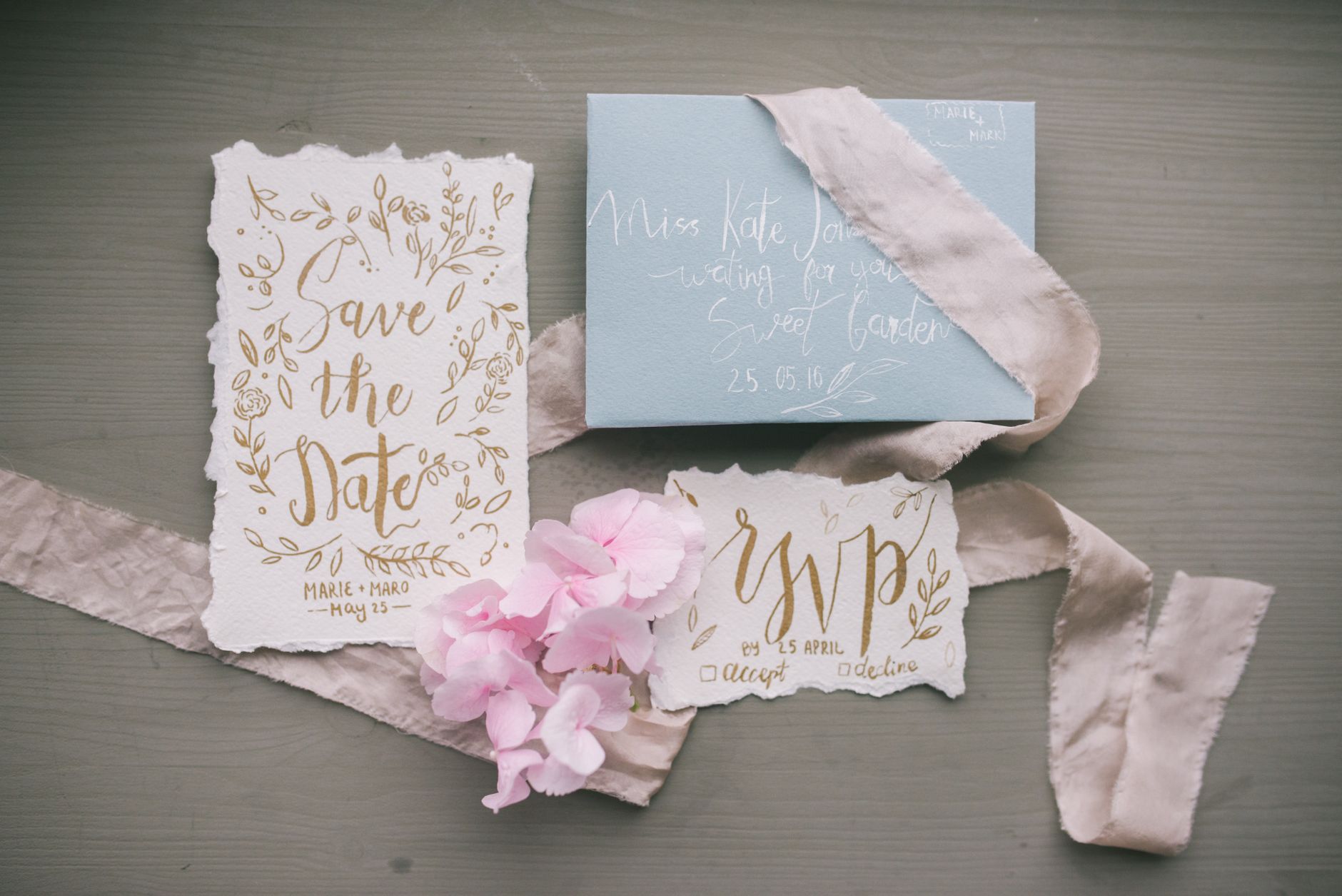
Planning an event that leaves a lasting impression starts long before the day itself — it begins the moment your invitation lands in someone’s hands. Whether you’re an event organiser coordinating a large corporate celebration, a hospitality business managing client weddings, or a venue looking to elevate the experience you offer, wedding stationery invitations are far more than a functional necessity. They set the tone, communicate professionalism, and give guests their very first taste of what’s to come. Getting them right requires a clear understanding of design, printing, timing, and budget — and for Australian businesses operating in the events space, the decisions you make around stationery can have a surprisingly significant impact on your brand perception and client satisfaction.
Why Wedding Stationery Invitations Matter More Than You Think
In an era dominated by digital communication, the tactile experience of receiving a beautifully crafted printed invitation carries enormous weight. For corporate event managers in Sydney or Melbourne coordinating high-end client functions, for example, the invitation suite is often the first physical touchpoint your guests experience. That first impression influences how they perceive the entire event before they’ve even RSVP’d.
Wedding stationery invitations also serve a practical function that digital invites sometimes struggle to replicate. They convey detailed event information in a format that’s easy to reference, doesn’t require internet access, and signals a level of investment and formality that digital alternatives simply can’t match. For corporate clients, venue managers, and professional event coordinators across Brisbane, Perth, and Adelaide, this distinction matters enormously when positioning a premium offering.
Beyond aesthetics, there’s also a branding opportunity. Corporate events — particularly awards nights, gala dinners, or business celebrations with a wedding-adjacent feel — benefit from cohesive, professionally branded stationery that aligns with organisational identity. Logos, brand colours, and typography all play a role in reinforcing brand recognition throughout the event experience.
Understanding the Components of a Complete Invitation Suite
Before placing an order for wedding stationery invitations, it’s important to understand what a full suite typically includes. Event organisers who plan ahead avoid the common pitfall of underordering or mismatching components across different print runs.
The Core Pieces
The invitation card is the hero of the suite — it carries the primary event information including the names, date, time, and venue. For corporate or branded events, this is also where your logo and brand identity take centre stage.
The RSVP card (and return envelope) allows guests to confirm attendance. For large events, these are typically processed digitally, but a physical RSVP card adds a thoughtful, premium touch for VIP guest lists.
Details or information cards supplement the main invitation with venue maps, accommodation suggestions, dress code guidance, or event schedule information. For multi-day corporate retreats or destination events, these are essential inclusions.
Envelope liners and outer envelopes complete the physical package and represent a prime opportunity for colour coordination and branding consistency.
Table cards and seating charts, while not technically part of the invitation suite, are often ordered at the same time to ensure design cohesion throughout the event.
Understanding this structure early helps organisers get accurate quotes and plan their print runs efficiently — particularly important when working with minimum order quantities (MOQs) that can vary between print suppliers.
Decoration Methods and Paper Stock Choices
Just as the right decoration method makes all the difference for custom apparel, choosing the right print technique for your stationery significantly affects both the look and feel of your finished product.
Common Print Techniques for Invitations
Digital printing is the most cost-effective and versatile option for most event organisers. It’s well-suited to full-colour designs, photographs, and detailed artwork. Turnaround times are fast — typically five to ten business days — and it works across a wide range of paper stocks.
Letterpress printing creates a tactile, debossed finish by pressing type and imagery directly into thick card stock. It’s a premium option that commands attention and communicates luxury, making it popular for high-end corporate galas and awards nights. Expect higher costs and longer lead times.
Foil stamping adds metallic accents — gold, silver, rose gold, copper — to specific design elements. It pairs beautifully with dark card stock and creates a striking visual contrast. Like letterpress, it’s a specialty technique with higher setup costs but exceptional results.
Engraving and thermography offer raised text and imagery, replicating the look of traditional formal invitations. Thermography is a more affordable alternative to genuine engraving, and works well for black-tie corporate events.
Embossing and debossing are applied without ink, creating raised or recessed impressions in the card stock. Combined with foil or spot UV coating, these techniques create premium, multi-dimensional finishes.
Paper stock selection is equally important. For most professional events, a minimum weight of 300–350gsm is recommended for the main invitation card. Heavier stocks communicate quality and hold specialty printing techniques better.
Timing, Lead Times, and Managing Your Order
One of the most common mistakes event organisers make is underestimating how much lead time quality stationery requires. Unlike some promotional products for businesses that can be turned around in a matter of days, premium printed stationery — especially with specialty techniques — requires careful planning.
A Realistic Timeline
For standard digital printing, allow at least three to four weeks from artwork approval to delivery. This accounts for proofing, production, and shipping to destinations across Australia, whether that’s a Brisbane venue coordinator or a Perth-based corporate event manager.
For specialty techniques like foil, letterpress, or engraving, extend that timeline to six to eight weeks minimum. If your event is during a peak season — October through December is particularly busy for Australian event organisers — add an additional two to three weeks as a buffer.
Build in time for proof review. A physical proof (also called a hard proof or press proof) is strongly recommended for specialty print jobs. Reviewing colours and finishes on screen doesn’t accurately represent how they’ll appear in print, and catching errors before the full run saves significant time and expense.
Artwork Requirements
Supply print-ready files in PDF format at a minimum of 300dpi. Ensure all fonts are embedded or converted to outlines, and include a bleed of at least 3mm on all sides. PMS colour matching is available through most quality printers and is recommended where exact brand colour accuracy is required.
Budgeting for Wedding Stationery Invitations
Stationery budgets vary enormously depending on quantity, complexity, and finish. As a general guide for Australian event organisers:
- Standard digital printing: $2–$5 per invitation card at volumes of 100–300 units
- Foil or letterpress: $8–$20+ per piece depending on complexity
- Full suites (invitation, RSVP, details card, envelopes): Multiply per-piece costs by three to four components
- Setup fees: Specialty techniques typically carry setup fees of $100–$400 depending on the number of colours and plates
Just as organisations planning sustainable promotional products or eco-friendly corporate gifts need to factor in the premium for quality materials, stationery budgets should account for the true cost of creating something genuinely impressive.
Don’t forget postage. Large, thick invitation suites are often classified as non-standard by Australia Post and attract higher postage rates. Factor this into your per-unit cost, particularly for large guest lists.
Sustainable Options for Eco-Conscious Event Organisers
Environmental responsibility is increasingly important to Australian businesses and their guests. The good news is that sustainable options in printed stationery have improved dramatically. Recycled paper stocks, FSC-certified papers, vegetable-based inks, and plant-fibre alternatives all offer ways to reduce the environmental footprint of your stationery without compromising on quality.
If sustainability is a priority for your organisation — as it is for many environmentally conscious brands and businesses exploring upcycled merchandise options — it’s worth asking your printer specifically about their eco credentials and paper sourcing. Seed paper is another creative option — guests can plant the invitation after use, growing herbs or wildflowers instead of sending it to landfill.
Aligning Your Stationery with the Broader Event Experience
The best events create a seamless, cohesive experience from the first invitation through to the final farewell. Your stationery should align visually with your event signage, table styling, digital communications, and any branded merchandise your guests receive on the day.
For corporate events with a significant brand presence, consider how your invitation suite connects to your trade show displays and booth design, branded gifting (like years of service awards for internal celebrations), or even workplace wellbeing initiatives tied to R U OK? Day branded merchandise. The more consistent your brand expression across every touchpoint, the more professional and memorable the experience.
It’s also worth staying across emerging trends in promotional products and branded merchandise — event stationery trends evolve alongside broader design movements, and keeping your invitation suite contemporary helps position your event as forward-thinking and well-considered.
Conclusion: Key Takeaways for Ordering Wedding Stationery Invitations
Wedding stationery invitations are a powerful tool in the hands of skilled event organisers and businesses managing high-quality client experiences. Getting them right requires attention to detail, realistic timelines, and a clear vision of how they fit into the broader event story.
Here are the key things to keep in mind:
- Start early: Allow a minimum of four to six weeks for standard printing, and eight to ten weeks for specialty techniques or peak-season orders
- Choose your print method thoughtfully: Digital printing suits most budgets, while foil, letterpress, and engraving elevate premium events significantly
- Plan the full suite together: Ordering all components from the same supplier ensures design consistency and often reduces setup costs
- Factor in all costs: Per-unit printing, setup fees, proofing, postage, and assembly all contribute to the true cost of your stationery suite
- Consider sustainability: Eco-certified papers and plant-based inks allow you to create beautiful stationery with a reduced environmental footprint — something increasingly valued by Australian guests and clients alike
Whether you’re coordinating a black-tie gala in Melbourne, a corporate celebration on the Gold Coast, or a client appreciation event in Hobart, the right wedding stationery invitations set the stage for everything that follows.